Journal · Exhibitions & museums
The best art museums to visit in Vienna
Vienna's essential art museums are four: the Kunsthistorisches Museum for Old Master paintings and antiquities, the Belvedere for the world's largest collection of Klimt paintings, including The Kiss, the Albertina for its million-plus graphic art collection and the Batliner Collection of modern masters, and the Leopold Museum for the most comprehensive Egon Schiele collection anywhere.
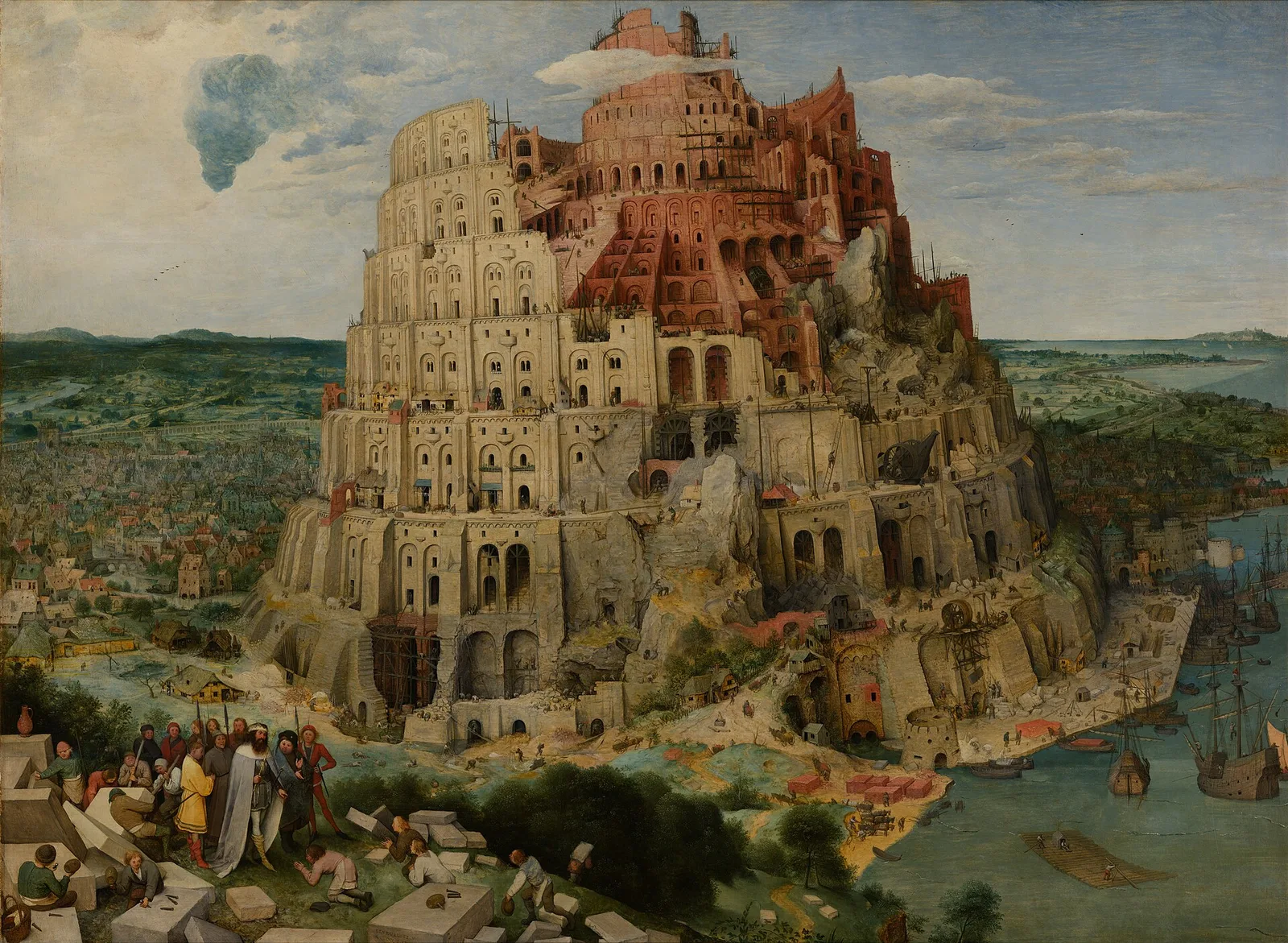
The Kunsthistorisches Museum: four centuries of painting, and three departments beyond it
The Kunsthistorisches Museum is built around what the Habsburgs collected as rulers, not as tourists, and its Picture Gallery is the deepest single painting collection in the city: more than 770 works spanning a four-hundred-year arc, from the first oil paintings of the fifteenth century through the Renaissance and Baroque to the era of Empress Maria Theresa. The museum holds the world's largest gathering of paintings by Pieter Bruegel the Elder — twelve of them, including The Tower of Babel — alongside Johannes Vermeer's The Art of Painting, Diego Velázquez's portraits of the young Spanish Infantas, and further rooms of Dürer, Titian, Rubens, Rembrandt, Caravaggio and Raphael.
The Picture Gallery is only one department. The museum's Egyptian and Near Eastern Collection holds over 17,000 objects spanning roughly 4,500 years; its Greek and Roman Antiquities collection numbers around 2,500 pieces across three millennia, from cameos to marble sculpture; and the Kunstkammer — the Habsburgs' cabinet of wonders — holds some 2,200 objects in ivory, coral and precious metal, assembled from the late Middle Ages through the Baroque. Anyone arriving expecting only paintings is likely to lose an extra hour to the Kunstkammer alone.
The Belvedere: the world's largest Klimt collection, inside one of the first public museums anywhere
The Belvedere holds 24 paintings by Gustav Klimt, the largest single collection of his work the museum holds, and its acknowledged highlight is The Kiss (1907–08) — the gold-leaf embrace that is, for many visitors, reason enough on its own to come to Vienna. The Klimt holdings sit inside a museum with an unusually long public history: Prince Eugene of Savoy built the Belvedere as his summer residence between 1712 and 1723, and after his death Empress Maria Theresa acquired the estate in 1752 and opened its Picture Gallery to the public in 1777 — making the Belvedere, by its own account, one of the very first public museums anywhere in the world.
That double identity — Baroque palace and founding-era public museum — is part of what makes the Belvedere worth the visit even beyond Klimt: the Upper Belvedere's staterooms and gardens are as much the exhibit as the paintings hung inside them.
The Albertina: Dürer's Hare and a permanent collection of modern masters
The Albertina's reputation rests on two very different holdings under one roof. Its Graphic Art Collection, founded in 1776 by Duke Albert of Saxe-Teschen, has grown into more than one million drawings and prints — among them Albrecht Dürer's Young Hare (1502) and Melencolia I, works the museum itself names as centerpieces. Because paper is light-sensitive, the museum is candid that these works are not kept on permanent view but shown in rotating exhibitions instead, which is worth knowing before planning a trip around a single drawing.
What is on permanent view is the Batliner Collection: on permanent loan to the Albertina since 2007, and described by the museum as one of Europe's most important compilations of Modernist art, running from Impressionism and Post-Impressionism (Degas, Cézanne, Toulouse-Lautrec, Gauguin) through German Expressionism and the Russian avant-garde to a run of late Picasso. It is the closest Vienna comes to a survey of modern painting outside the Leopold Museum.
Leopold Museum: the definitive Egon Schiele collection
The Leopold Museum was built around one couple's five decades of collecting: physician Rudolf Leopold and his wife Elisabeth acquired Austrian art from the late nineteenth century onward, much of it — Schiele above all — unfashionable and inexpensive at the time. Their holdings, formalized as a museum foundation in 1994 and moved to their current building in the MuseumsQuartier in 2001, now number more than 8,300 works.
Their single deepest holding is Egon Schiele: 44 paintings and over 200 watercolors, drawings and prints, the largest and most important Schiele collection anywhere. Gustav Klimt, Richard Gerstl and Oskar Kokoschka fill out the rest of the Vienna 1900 story the museum tells, alongside decorative works from the Jugendstil and Wiener Werkstätte movements.
Grouping the four museums without exhausting the trip
The Kunsthistorisches Museum and the Albertina both sit inside Vienna's compact historic core, close enough to pair on a single day if the pace stays brisk — two to three unhurried hours at each is realistic. The Belvedere is a short trip further out, set inside its own Baroque garden, and rewards being given a half-day of its own rather than being rushed as a third stop. The Leopold Museum sits inside the MuseumsQuartier, alongside the mumok and Kunsthalle Wien, which makes it easy to extend into an afternoon of modern and contemporary art if Schiele and Klimt aren't the whole reason for the visit.
From the studio
From the studio
I trained as an architect before painting became my full-time practice, and Vienna is a useful reminder that the room shapes the art as much as the art shapes the room. Walking through the Belvedere, I'm always more aware of the palace than the paintings for the first ten minutes — the staterooms were built for a general to receive guests, not for canvases to be studied, and Klimt's gold surfaces have to compete with gilded stucco doing exactly the same work of catching light. The Kunsthistorisches Museum does the opposite: built between 1871 and 1891 specifically to house the Habsburg collections, its grand staircase was decorated by a young Gustav Klimt himself, working alongside his brother Ernst and Franz Matsch — decades before his mature gold-leaf paintings ended up on the Belvedere's walls instead. I think about that sequence often, an architect commissioning the room, then the same painter growing into the artist a different museum ends up collecting, when I consider how a piece of mine will actually live in someone's home: whether the wall is already doing decorative work, the way the Belvedere's stucco does, or whether it needs the painting to carry the room the way the Kunsthistorisches galleries do.
The other thing that stays with me from the Albertina is more practical than architectural: the museum is candid that Dürer's Young Hare, one of the most famous works on paper in the world, spends most of its life protected from light rather than on the wall. It's a useful discipline to borrow — a five-hundred-year-old watercolor and a mixed-media piece built from acrylic, metallic pigment and canvas are different materials facing different risks, but the underlying respect for what a surface can and can't survive is the same one I apply in my own studio, in how I handle, store and ship a piece before it ever reaches a collector.
Frequently asked
What are the must-see art museums in Vienna?
The four essential stops are the Kunsthistorisches Museum for Old Master paintings and antiquities, the Belvedere for the world's largest collection of Klimt paintings including The Kiss, the Albertina for its million-plus graphic art collection and the Batliner Collection of modern masters, and the Leopold Museum for the most comprehensive Egon Schiele collection anywhere. Together they cover roughly six centuries of art without leaving Vienna's city center.
Where is Klimt's The Kiss on permanent display?
The Kiss is part of the permanent collection of the Belvedere, in the Upper Belvedere palace in Vienna. It is the best-known painting among the Belvedere's 24 Klimt paintings, the largest single collection of his work anywhere in the world, and the museum describes it as the highlight of that collection. Our separate guide covers the painting itself, its symbolism and its materials, in more depth.
Can you see the Belvedere and the Albertina in the same day?
Yes, if the pace stays brisk. Both museums are compact enough to see well in two to three hours each, and they sit within Vienna's walkable inner city, connected by a short tram or taxi ride. Doing both in one day means seeing the highlights rather than lingering; splitting them across two visits is more comfortable if the Kunsthistorisches Museum or the Leopold Museum are also on the itinerary.
Is the Kunsthistorisches Museum focused on classical or modern art?
Classical, not modern. Its Picture Gallery covers four centuries of Old Master painting, from the fifteenth century through the Baroque, and its Egyptian, Greek and Roman antiquities collections extend the museum's scope back another few thousand years. For twentieth-century and contemporary work, the Leopold Museum, the Albertina's Batliner Collection and Vienna's mumok are the better stops.
Is there a free-entry art museum in Vienna?
No single Viennese art museum offers unrestricted free admission for adults on a standing basis. Individual museums, including the Kunsthistorisches Museum, the Belvedere and the Albertina, do run their own periodic free or discounted access, but the terms change often enough that they are worth confirming directly on each museum's own website before a trip rather than planning around a fixed rule.
Ask the studio directly
Planning a museum-focused trip to Vienna, or thinking about where a piece might live in your own space? Alyne answers her own messages, in English or Portuguese, and ships original work internationally with full documentation.
Sources
- Kunsthistorisches Museum Wien (khm.at) — 2026-08-03
- Kunsthistorisches Museum Wien (khm.at) — 2026-08-03
- Kunsthistorisches Museum Wien (khm.at) — 2026-08-03
- Belvedere, via Google Arts & Culture — 2026-08-03
- Belvedere Museum Vienna (belvedere.at) — 2026-08-03
- Belvedere Museum Vienna (belvedere.at) — 2026-08-03
- Albertina Museum Vienna (albertina.at) — 2026-08-03
- Albertina Museum Vienna (albertina.at) — 2026-08-03
- Leopold Museum Vienna (leopoldmuseum.org) — 2026-08-03
- Leopold Museum Vienna (leopoldmuseum.org) — 2026-08-03
- Wikipedia — 2026-08-03
- Wikimedia Commons — 2026-08-03
- Wikipedia — 2026-08-03
Published on