What the APAA code of ethics forbids an art advisor to do
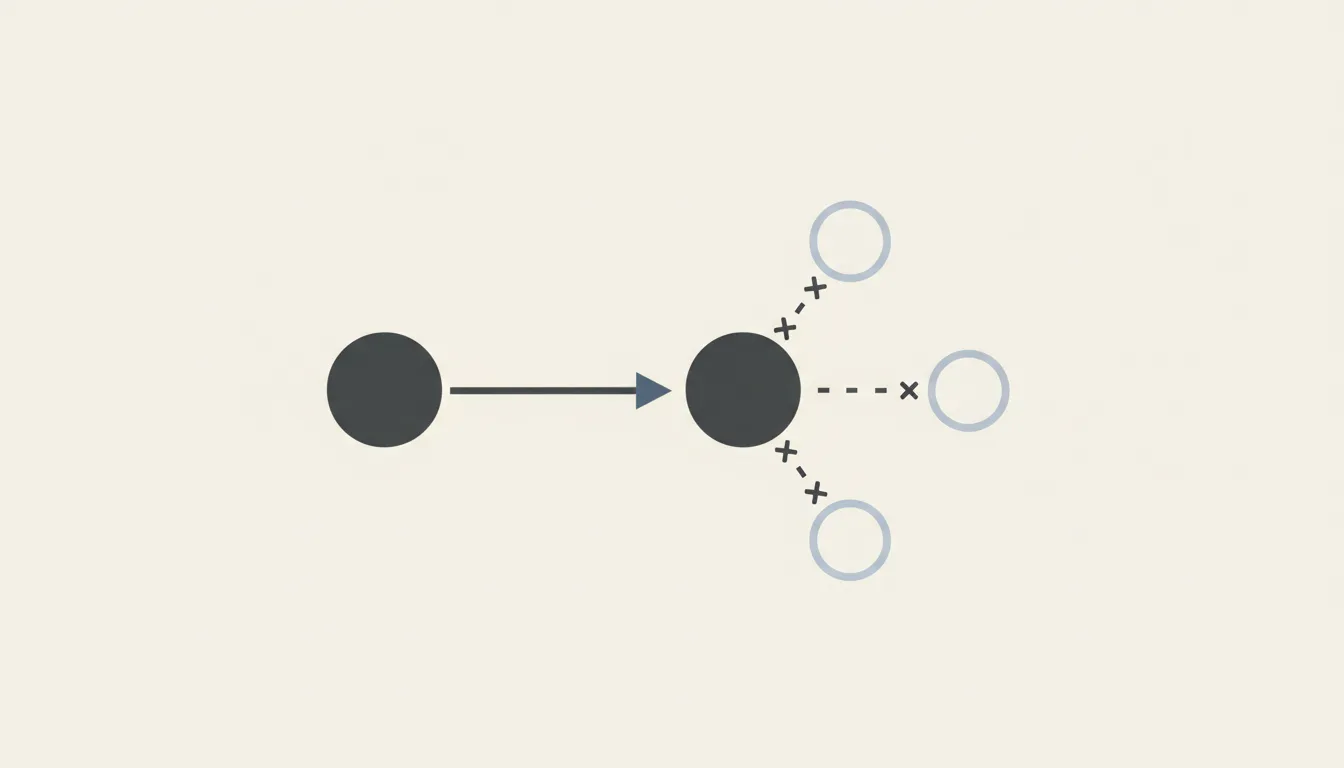
The Association of Professional Art Advisors' code of ethics prohibits members from maintaining inventory, accepting consignment, acting as dealers, or leading an art fund. Members cannot accept compensation that creates a conflict of interest, and must be paid by only one source per transaction — their client.
What the APAA is
The Association of Professional Art Advisors (APAA) is a membership organization for independent art advisors, founded in 1980. According to the association's own site, it counts more than 185 independent advisors as members, working across 33 cities in eleven countries. Membership is not a license — no government body regulates the title "art advisor" — but it functions as the closest thing the profession has to a shared code of conduct, and advisors who join agree to abide by it.
What APAA members are barred from doing
The APAA's code of ethics is explicit about what a member cannot do while representing a client. In the association's own language, "APAA members may not maintain inventory for sale, accept artwork on consignment, act as private dealers in any transaction or maintain a leadership role in an art fund." The logic is straightforward: an advisor who has inventory to move, or a personal stake in a fund's performance, has a competing interest to whatever it is the client actually needs.
Two further prohibitions cover money changing hands outside the client relationship. The code states that "APAA members do not accept financial compensation that creates a conflict of interest between the member and their client" and that "APAA members do not solicit or accept compensation from service providers or vendors." Read together, these rules close off the paths by which an advisor's recommendation could be quietly steered by someone other than the person paying for the advice.
Why the single-source-of-payment rule exists
Underneath the specific prohibitions sits one governing principle, listed among the association's own membership criteria: members are expected to work "being compensated by one's clients and being paid by only one source per transaction." In practice, this rules out an arrangement that is common enough elsewhere in the art trade — an advisor collecting a fee from the client and also a referral commission from the gallery, auction house, or artist on the other side of the sale.
The conflict that rule prevents is not hypothetical. If an advisor is paid a percentage by the seller as well as a fee by the buyer, the advisor's income rises with the price of the transaction and with which seller gets the business — two incentives that point away from the buyer's actual interest. A single source of payment keeps the advisor's only paycheck tied to the person they are supposed to be working for.
How a buyer can verify an advisor's standing
APAA membership is checkable, not a matter of taking someone's word. The association publishes its mission and code of ethics on its own website, and a buyer working with someone who claims membership can ask, directly, how they are compensated on a given transaction — a question the code itself anticipates a member should be able to answer plainly. A vague answer, or reluctance to name the fee structure before work begins, is itself useful information.
None of this determines whether a particular advisor is trustworthy; it only describes what a specific membership commits its holders to avoid. Buyers who work outside the advisor model — through a gallery, at auction, or directly with an artist — are simply operating under a different set of norms, not a lesser one.
From the studio
From the studio
I sell every piece the same way: directly, with no advisor, gallery, or intermediary standing between me and the person buying. It's a different structure from the one this code of ethics is written for, not a better one — there's only ever one seller here, so there's no second party whose payment could depend on which way a buyer decides. What I can offer instead is transparency of a simpler kind: the price is the price, I don't split a commission with anyone, and I answer questions about a piece myself rather than through a representative.
Frequently asked
What is the APAA?
The Association of Professional Art Advisors is a membership organization for independent art advisors, founded in 1980. It counts more than 185 members working across 33 cities in eleven countries, according to its own published figures, and maintains a code of ethics that members agree to follow. It is not a licensing body — nobody needs APAA membership to call themselves an art advisor — but membership signals agreement to a specific set of professional rules.
Can an APAA member also work as an art dealer?
No. The code of ethics states that members may not act as private dealers in any transaction, hold inventory for sale, or accept work on consignment. The distinction matters: a dealer profits from the specific piece changing hands, while an advisor under this code is meant to profit only from advising, regardless of which piece a client ultimately buys.
Why can't an APAA member be paid by both the buyer and the seller?
Because it creates a direct conflict of interest. The code requires members to be compensated by their clients and paid by only one source per transaction. If part of an advisor's income also depended on the seller, their recommendation could be shaped by which seller pays best rather than by what actually suits the buyer.
Does APAA membership guarantee an advisor is honest?
No single credential guarantees that. Membership means an advisor has agreed to a written code that prohibits specific conflicts of interest — inventory, consignment, dealer activity, vendor compensation — and a buyer can ask how the code applies to their own transaction. Agreeing to a rule in writing is not the same as verifying that the rule is followed in every case.
Is buying directly from an artist compatible with these same principles?
Buying direct sits outside the APAA framework altogether, since there is no advisor and no second fee to structure. What carries over is the underlying idea — a single, transparent relationship between the person paying and the person being paid, without a hidden commission from anyone else involved. A serious direct sale should still come with clear documentation, even without an advisor requiring it.
Where can I confirm what the APAA code of ethics says?
The association publishes its mission, membership figures, and code of ethics on its own website, artadvisors.org, where the exact wording of each prohibition can be checked directly rather than taken on trust. Anyone considering working with a member can review the code there first, and then ask the advisor directly how it applies to their specific transaction — including exactly how that advisor is being paid.
Buying without an advisor? Here's what to ask instead.
If you're acquiring directly from the artist rather than through an advisor, the same questions the APAA code requires of its members still apply — how payment works, and what documentation comes with the piece.
Sources
- Association of Professional Art Advisors (APAA) — 2026-09-07
- Association of Professional Art Advisors (APAA) — 2026-09-07
- Association of Professional Art Advisors (APAA) — 2026-09-07
- Association of Professional Art Advisors (APAA) — 2026-09-07
- Association of Professional Art Advisors (APAA) — 2026-09-07
Published on