How collectors buy art now: galleries, fairs, Instagram — and directly from the artist
The Art Basel and UBS Survey of Global Collecting 2025 found galleries and dealers remain the most-used channel among high-net-worth collectors (83%), ahead of art fairs (58%, up from 39% in 2023) and Instagram (51%, up from 43%). Buying directly from the artist is smaller still, but participation in that channel more than doubled versus the previous survey.
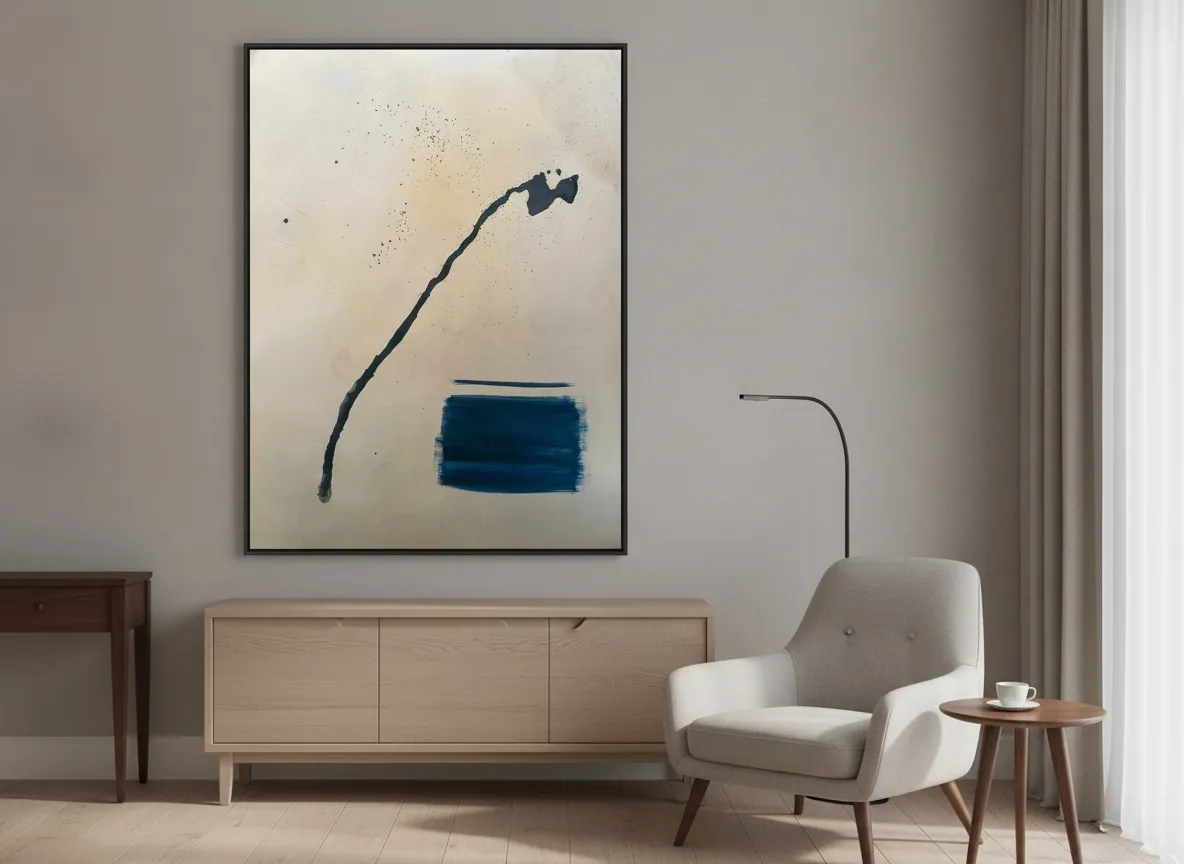
Where high-net-worth collectors actually buy
The Art Basel and UBS Survey of Global Collecting 2025, authored by Dr. Clare McAndrew of Arts Economics, surveyed roughly 3,100 high-net-worth collectors across 10 key markets on their purchases through 2024 and the first half of 2025. Galleries and dealers came out as the most-used and highest-spending channel by a wide margin: 83% of respondents had bought from them, whether in person, online, or through an art fair.
Art fairs and Instagram both gained ground compared to the survey's previous edition. 58% of collectors made a purchase linked to a fair, up from 39% in 2023 — a sizable jump for a single channel. Instagram purchases were reported by 51% of the collectors surveyed, up from 43% in 2023, putting a social platform ahead of auction as a place where six- and seven-figure collectors actually transact, not just browse. Auction, by contrast, moved the other way: both participation and spending at auction fell within this same sample.
Buying directly from the artist: smaller, but growing fast
Direct-from-artist purchases remain well behind galleries, fairs, and Instagram in absolute terms — the survey does not report a headline percentage for this channel the way it does for the other three. What it does report is direction: participation in buying directly from the artist more than doubled compared to the previous survey. That is a statement about how many collectors used the channel at all, not about how much money moved through it — the source gives no comparable spending figure, and it would be a mistake to assume one.
It is also worth being precise about who this describes. The survey's respondents are high-net-worth collectors, the kind of buyer a gallery actively courts. The finding says that even inside that group, going around the gallery system and buying straight from a working artist is no longer a rare move. It does not say anything about how art is bought outside that bracket, and it is not a verdict on any single studio's approach — it is one data point about a shift in habit among a specific, wealthy population.
How much of a collector's wealth actually goes into art
The same survey put a number on how seriously this group treats art as an asset class. In 2025, high-net-worth collectors allocated an average of 20% of their wealth to art, up from 15% in 2024. Among ultra-high-net-worth individuals — those with over US$50 million in total assets — that average allocation rose to 28%.
Those figures describe wealth allocation, not price paid for any given work, and they say nothing about expected returns. They do help explain why the channel data above matters commercially: a population that treats art as a meaningful share of its portfolio is also a population actively deciding, year to year, whether the next acquisition happens at a fair booth, on a phone, or in a direct conversation with a studio.
Two Art Basel & UBS studies, two different questions
It is easy to conflate this survey with the Art Basel and UBS Global Art Market Report, since both carry the same two names and the same lead researcher. They answer different questions. The Global Art Market Report measures the size of the market itself — total sales volume across galleries, dealers, and auction houses in a given year. The Survey of Global Collecting, the source behind the figures on this page, instead measures behavior: which channels a defined group of wealthy collectors used, and how that behavior shifted from the prior edition.
Our companion piece on the market-size report — O que é o relatório Art Basel & UBS sobre o mercado de arte (in Portuguese) — covers the market-size study specifically. Treat the two as related but separate research products rather than one restating the other.
From the studio
From the studio
I read a survey like this one the way I imagine most artists without gallery representation do: with more interest in the direct-from-artist line than in the headline number for galleries. I don't have a booth at a fair, and Perfeito Studio isn't a subject of the 83% figure — every conversation that leads to an acquisition here starts on WhatsApp, one collector at a time, not through a program a gallery built for me.
What the growth in that direct channel tells me, practically, is that I'm not asking a buyer to do something unusual by skipping the gallery step. It does mean the burden of proof sits entirely with what I hand over instead: the Certificate of Authenticity, the Archive ID, the invoice, a straight answer about where I am in my own trajectory. I'd rather a collector ask me those questions directly than take a gallery's word for it — that's the trade this whole model is built on.
Frequently asked
Do most art collectors still buy mainly from galleries?
Among the high-net-worth collectors surveyed in the Art Basel and UBS Survey of Global Collecting 2025, yes. Galleries and dealers were used by 83% of respondents, whether in person, online, or through an art fair, making them the most-used and highest-spending channel by a clear margin over fairs, Instagram, auction, or buying direct from an artist.
Has Instagram become a real channel for buying art, or is it mainly for discovery?
The survey found Instagram purchases were reported by 51% of the collectors surveyed, up from 43% in 2023. That figure describes reported purchases, not just browsing or following artists, which suggests the platform now functions as an actual transaction channel for a meaningful share of high-net-worth buyers, not only a discovery tool.
Is buying directly from an artist a growing route, or still marginal?
It is growing but still smaller than galleries, fairs, or Instagram in absolute terms. The survey reports that participation in direct-from-artist purchases more than doubled compared to its previous edition. That is a statement about how many collectors used the channel, not about how much they spent through it — the source does not report a comparable spending figure.
How much of a wealthy collector's assets actually go into art?
According to the same 2025 survey, high-net-worth collectors allocated an average of 20% of their wealth to art in 2025, up from 15% in 2024. Ultra-high-net-worth individuals with over US$50 million in assets allocated more on average — 28% — which suggests the share of wealth put into art rises as a collector's overall net worth rises.
Is this the same report as the Art Basel & UBS report on market size?
No. The Art Basel and UBS Global Art Market Report measures the total size of the art market — overall sales volume across galleries, dealers, and auction houses. The Survey of Global Collecting, the source used on this page, instead surveys a defined group of high-net-worth collectors about which channels they actually use to buy. They share researchers and sponsors but answer different questions.
Did auction sales grow or shrink among the collectors surveyed?
They shrank. The survey reports that both participation in and spending at auction fell within this sample of high-net-worth collectors, in contrast to the gains seen in art fairs and Instagram over the same period. The source gives the direction of the change but does not publish an exact percentage figure for how far auction activity fell.
Ask the studio directly
Alyne replies personally about a piece, its documentation, and shipping — the same direct channel this data describes.
Sources
- Art Basel & UBS (Dr. Clare McAndrew / Arts Economics) — 2026-09-23
- Art Basel & UBS (Dr. Clare McAndrew / Arts Economics) — 2026-09-23
- Art Basel & UBS (Dr. Clare McAndrew / Arts Economics) — 2026-09-23
- Art Basel & UBS (Dr. Clare McAndrew / Arts Economics) — 2026-09-23
- Art Basel & UBS (Dr. Clare McAndrew / Arts Economics) — 2026-09-23
- Art Basel & UBS (Dr. Clare McAndrew / Arts Economics) — 2026-09-23
- Art Basel & UBS (Dr. Clare McAndrew / Arts Economics) — 2026-09-23
Published on