How art consignment works
Art consignment is when an artist or owner hands a work to a dealer — usually a gallery — authorized to sell it on their behalf for a commission, without transferring ownership. Title stays with the original owner until an actual sale happens; some jurisdictions, like New York, even write that protection into statute.
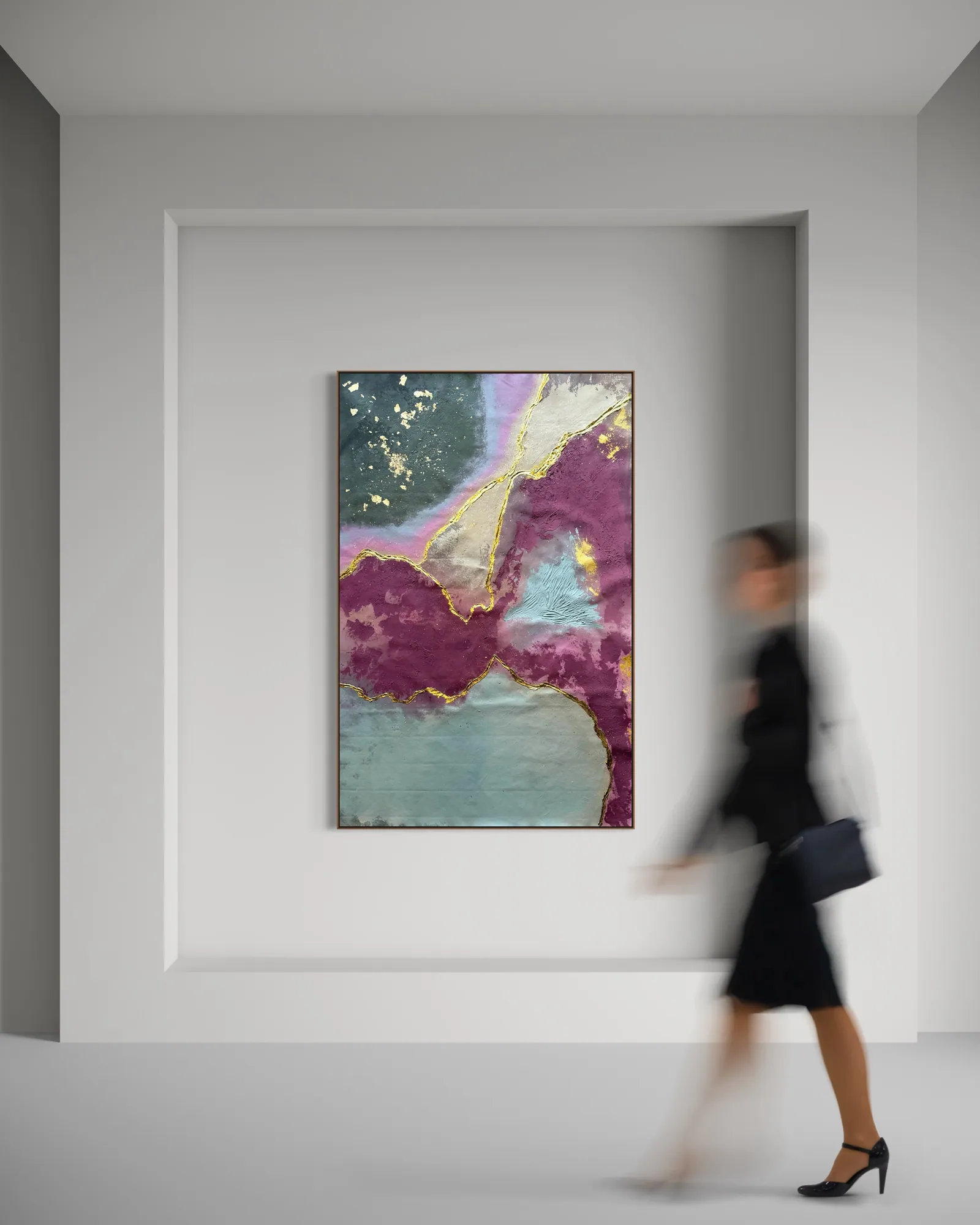
What it means when a work is "on consignment"
When a gallery, auction house, or other dealer takes a work "on consignment," the artist or owner is not selling the piece to that dealer. They are handing over physical possession and giving the dealer permission to find a buyer on their behalf, usually for a commission on the eventual sale. Ownership of the work does not transfer to the dealer at the moment of consignment — it transfers directly from the original owner to the buyer, if and when a sale happens.
This distinction matters because it shapes who bears the risk while the work is out of the owner's hands, and what happens to the piece — and to the sale proceeds — if the dealer runs into financial trouble before paying out.
What a consignment agreement typically sets out
A written consignment agreement between an artist (or a collector reselling a work) and a gallery generally addresses four points: the retail or reserve price at which the work can be sold, the commission the gallery keeps from that price, how long the consignment lasts before unsold work is returned, and who is responsible for insuring the piece while it is in the gallery's care.
Commission splits vary by gallery, market, and the artist's negotiating position, but a commonly cited reference point in the contemporary gallery world is an even split — artist and gallery each keeping roughly half of the sale price — though the exact number is a matter of negotiation, not law.
New York law treats a consigned work as trust property
Consignment is a private contract, but at least one jurisdiction writes specific protection for artists directly into statute. Under Article 12 of New York's Arts and Cultural Affairs Law, when an artist delivers work to an "art merchant" for exhibition or sale, the law establishes a consignor/consignee relationship in which "such work is trust property in the hands of the consignee for the benefit of the consignor," and any proceeds from a sale are trust funds held for the artist's benefit.
Practically, this means the artist's work — and the money from selling it — cannot be seized by the dealer's own creditors if the gallery runs into financial difficulty, because the law treats both as never having become the dealer's property in the first place. This is a feature of New York's statute specifically, not a universal rule; consignment protection varies by country and by U.S. state, and a work consigned somewhere without an equivalent statute relies entirely on what the contract says.
Consignment vs. buying directly from an artist's studio
Consignment describes the relationship between an artist (or a reselling owner) and the dealer trying to sell the work — it says nothing on its own about how a collector experiences the purchase. Buying a piece that is on consignment at a gallery, and buying a piece directly from the artist's own studio, are two different structures, and what changes in price, documentation, and the relationship with the artist is its own question, separate from the consignment mechanism described here.
What consignment does clarify for a buyer is the chain of title behind a piece: a work sold under a consignment agreement passes from the original owner to the buyer, with the gallery acting only as agent, never as seller of record. A work bought directly from an artist's studio — the model Perfeito Studio works under — skips that layer entirely: the artist is both the maker and the seller, with no consignment step in between.
This is informational and not legal advice.
From the studio
How I sell my own work
I don't consign my paintings to a gallery — every piece that leaves my studio is sold directly, from me to the person who is going to live with it. That isn't a criticism of consignment; the model exists for good reasons, and a well-run gallery earning its commission on a well-written agreement is a legitimate way to sell art. It simply isn't the structure I work under at this stage of my practice.
In practice, that means there's no intermediary holding a piece "in trust" while it waits for a buyer. I write the Certificate of Authenticity myself, I assign the Archive ID myself, and I'm the one who answers a collector's question about a specific painting — not a gallery representing me. When a work like Quartz Seam leaves the studio, title passes straight from me to the collector, with no consignment stage in the middle.
Frequently asked
What does "on consignment" mean for a work of art?
It means the artist or current owner has handed the work to a dealer — usually a gallery — who is authorized to find a buyer on their behalf, typically for a commission on the sale. Ownership does not pass to the dealer; it passes directly from the original owner to the buyer, only if and when a sale actually happens.
Who owns the artwork while it's on consignment?
The original owner (the artist, or whoever placed the work with the dealer) keeps title throughout the consignment period. The dealer holds physical possession and the authority to sell, but not ownership — a distinction that determines who bears the loss if the work is damaged, lost, or the dealer runs into financial trouble.
What commission does a gallery usually take on a consigned sale?
There is no fixed legal percentage — commission is set by the individual agreement between artist and dealer. A commonly cited reference point in the contemporary gallery world is an even split of the sale price between artist and gallery, but the real number varies by gallery, market, and the artist's negotiating position.
What happens if a consigned artwork is damaged while it's at the gallery?
This depends on the written agreement, which is why insurance responsibility is one of the points a consignment contract should spell out explicitly — who insures the piece, for what value, and during which stages, such as exhibition, storage, or transport. Where no statute applies, both sides are otherwise relying entirely on what the contract says.
Does New York law protect artists differently in a consignment?
Yes, in New York specifically. Article 12 of the state's Arts and Cultural Affairs Law defines a consigned work and its sale proceeds as "trust property" and "trust funds" held for the artist's benefit, which shields them from the dealer's own creditors. This is a New York statute, not a universal rule — protection varies by jurisdiction.
Is buying directly from an artist's studio the same as buying a consigned piece from a gallery?
No. Consignment involves a dealer acting as an intermediary authorized to sell on the owner's behalf. Buying directly from an artist's studio removes that intermediary altogether — the artist is both the maker and the seller of record, with no consignment agreement or trust relationship involved in the sale.
Buy directly from the studio — no consignment
Ask about a specific piece or the acquisition process. Every work at Perfeito Studio is sold directly by the artist, never through gallery consignment.
Sources
- New York State Senate — Arts and Cultural Affairs Law — 2026-09-27
- Contemporary Art Issue — 2026-09-27
Published on